13731 Archer Ave., Lemont, IL 60439

Hearing that your dog or cat needs surgery can bring up plenty of questions. What should they eat beforehand? Should their medications be given? What will they need when they come home? Understanding the preparation process can help you feel more confident and make the day easier for your pet.
For pet owners in Lemont, IL, knowing what to expect before a surgical procedure can make it easier to follow your veterinary team’s recommendations. Preparation is not the same for every pet, so your veterinarian’s instructions should always take priority.
Pet surgery may be recommended for many reasons, including injuries, medical conditions, or procedures that require surgical treatment. Whether the procedure is routine or more involved, taking a few practical steps beforehand can help support your pet’s safety and recovery.
How Should You Prepare Your Pet for Surgery?
The most important step is to carefully follow the instructions provided by your veterinarian. These instructions may cover fasting, medications, activity, arrival time, and what to expect after the procedure.
Ask questions if anything is unclear. Knowing when your pet should stop eating or drinking, whether regular medications should be given, and what you should bring can prevent last-minute confusion.
Follow Feeding and Fasting Instructions
Some pets need to fast before anesthesia, while specific instructions can vary depending on the procedure and your pet’s health. Do not assume that fasting instructions are the same for every animal.
If your pet accidentally eats when they were supposed to be fasting, let your veterinary team know. They can advise you on the safest next step.
Discuss Medications and Health Changes
Tell your veterinarian about every medication, supplement, or other product your pet receives. Do not stop or change medications unless your veterinary team tells you to.
Also mention any recent changes in your pet’s health. Vomiting, diarrhea, coughing, unusual tiredness, or other new symptoms could affect whether surgery should proceed as planned.
What Can You Do the Night Before Surgery?
Keep your pet’s routine as calm and normal as possible. Avoid strenuous exercise, stressful activities, or situations that could leave your pet overly tired or unsettled.
Prepare a comfortable area where your pet can rest after coming home. Choose a quiet location away from excessive activity and other pets. Depending on the procedure, your veterinarian may recommend restricting running, jumping, or rough play during recovery.
It can also help to have any prescribed medications, food recommended by your veterinary team, bedding, and other recovery supplies ready before the day of surgery.
What Should You Expect on Surgery Day?
Your veterinary team will typically review your pet’s health history and confirm details about the planned procedure. Depending on the surgery, your pet may receive anesthesia and monitoring throughout the procedure.
Before pet surgery, your veterinarian may discuss the procedure, potential risks, anesthesia, and post-operative care. This is a good time to ask questions about recovery, activity restrictions, medications, and follow-up visits.
Your pet may be sleepy or less active after anesthesia. This can be expected during the initial recovery period, but your veterinary team will explain what is normal for your pet and what changes should be reported.
How Can You Prepare for Recovery at Home?
A smooth recovery starts with creating the right environment. Give your pet a clean, comfortable place to rest and follow all post-surgical instructions carefully.
Follow Activity Restrictions
Your pet may feel better before the surgical area has fully healed. Prevent running, jumping, rough play, or other restricted activities as instructed. Too much activity can interfere with healing.
Monitor the Surgical Site
If your pet has an incision, check it according to your veterinarian’s instructions. Increasing redness, significant swelling, bleeding, unusual discharge, or an opening incision may require veterinary attention.
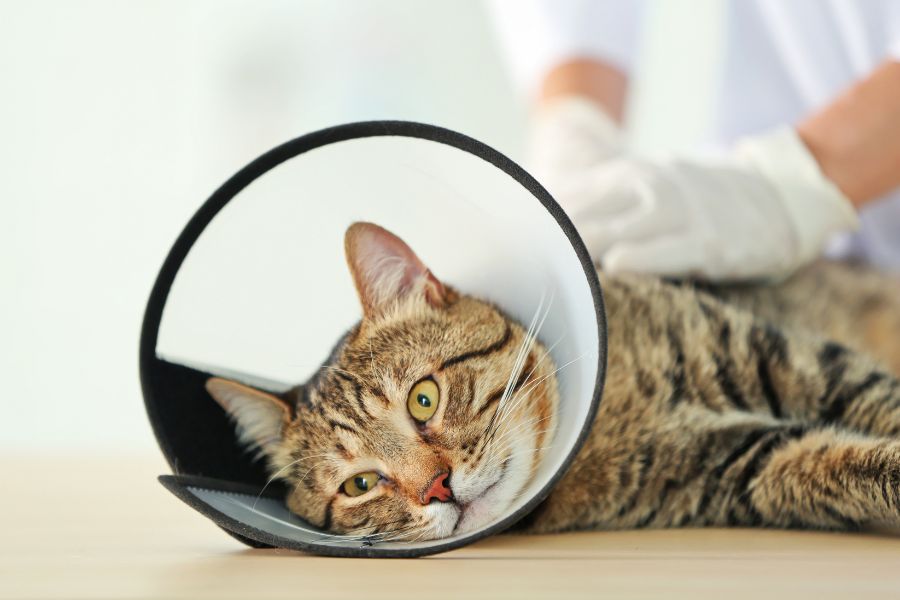
Prevent your pet from licking or chewing the area. Your veterinarian may recommend a protective collar or another appropriate option.
Give Medications as Directed
Administer prescribed medications exactly as instructed. If your pet refuses medication, vomits after receiving it, or seems to have an unusual reaction, contact your veterinary team for guidance rather than changing the medication yourself.
For broader health support before and after surgery, routine preventive veterinary care can help your veterinarian monitor your pet’s overall condition.
When Should You Contact a Veterinarian?
Contact your veterinary team if your pet develops concerning symptoms before surgery or if something seems unusual during recovery. Depending on the procedure, warning signs may include difficulty breathing, significant bleeding, repeated vomiting, severe pain, marked weakness, worsening swelling, or an incision that opens.
If you are simply unsure whether a change is part of normal recovery, it is appropriate to ask your veterinarian. Prompt professional guidance can help determine whether your pet needs an examination or additional care.
Preparing your dog or cat for surgery is about more than getting them to the veterinary clinic on time. Following feeding and medication instructions, sharing relevant health information, preparing a quiet recovery space, and understanding post-operative restrictions can help you provide appropriate care. Archer Veterinary Clinic can guide pet owners through the surgical process and help them understand what their pet may need before and after a procedure.
If your pet needs surgical evaluation or care, schedule an appointment to discuss your pet’s needs and plan the appropriate next step.
Frequently Asked Questions
Q1. Can my pet eat before surgery?
Ans: Some pets need to fast before anesthesia, but instructions vary based on the procedure and the individual pet. Follow the specific feeding instructions provided by your veterinarian.
Q2. Should I give my pet their regular medications before surgery?
Ans: Not necessarily. Some medications may be continued while others may need to be adjusted. Ask your veterinary team what to do with each medication before surgery.
Q3. How can I keep my pet comfortable after surgery?
Ans: Provide a quiet, comfortable resting area and follow your veterinarian’s instructions regarding medications, feeding, activity, and incision care. Avoid letting your pet overexert themselves during recovery.
Q4. Does Archer Veterinary Clinic provide pet surgery in Lemont?
Ans: Archer Veterinary Clinic provides veterinary surgical care for pets in the Lemont area. Your veterinarian can discuss your pet’s condition and whether surgery may be appropriate.
Q5. How should I prepare my pet for surgery at Archer Veterinary Clinic?
Ans: Preparation depends on your pet and the planned procedure. Your veterinary team will provide instructions regarding fasting, medications, arrival time, and post-operative care.
Q6. When should I schedule a surgical consultation with Archer Veterinary Clinic?
Ans: If your pet has been diagnosed with a condition that may require surgery or your veterinarian has recommended a surgical evaluation, scheduling an appointment can help you understand the available care options.
Related Articles
[theme_related]