13731 Archer Ave., Lemont, IL 60439

When your veterinarian recommends surgery for your pet, it is natural to feel concerned. You may wonder why the procedure is needed, what will happen during surgery, and how you can help your pet recover. Understanding the process can make the experience feel more manageable and help you prepare for each stage.
For pet parents in Lemont, IL, knowing what to expect before, during, and after a procedure can reduce uncertainty. Every pet has different needs, but understanding the general process can help you ask informed questions and follow your veterinary team’s recommendations with greater confidence.
Veterinary pet surgery may be recommended to address injuries, abnormal growths, orthopedic conditions, internal health problems, damaged tissue, or other medical concerns. The recommended approach depends on your pet’s condition, age, medical history, overall health, and the type of procedure being considered.
Why Might a Pet Need Surgery?
There are many reasons surgery may become part of a pet’s treatment plan. Some procedures address an existing medical condition, while others repair injuries, remove abnormal tissue, or correct physical problems.
Your veterinarian may recommend surgery for conditions that cannot be appropriately managed with medication or other treatments. Before proceeding, your veterinary team should explain why surgery is recommended, what it is intended to accomplish, and whether alternative options are available.
Understanding the Procedure
Learning about the planned procedure can help you feel more prepared. Ask your veterinarian what the surgery involves, how long it may take, whether anesthesia is required, and what recovery will look like.
You may also want to ask about preparation, potential risks, activity restrictions, medications, and signs that should prompt you to contact the veterinary team.
There are no unnecessary questions when it comes to your pet’s health. Understanding the answers can help you make informed decisions.
What Happens Before Surgery?
Surgical care begins before your pet enters the operating area. Your veterinarian may perform a physical examination and review your pet’s medical history.
Depending on your pet’s health and the procedure, diagnostic testing may also be recommended. Bloodwork or imaging can provide additional information that may help the veterinary team plan appropriate care.
Be sure to provide accurate information about medications, supplements, previous health conditions, allergies, and recent changes in your pet’s health.
You may also receive instructions regarding food, water, medications, exercise, and arrival time. Follow these instructions carefully.
Why Is Pre-Surgical Testing Important?
Pets can sometimes have underlying health concerns that are not obvious from outward appearance. When testing is recommended, it may provide information about blood cell counts, organ function, or other aspects of your pet’s health.
Not every pet needs the same tests. Your veterinarian will determine what is appropriate based on your pet’s age, health history, examination findings, and planned procedure.
What Should You Know About Anesthesia?
Anesthesia allows your pet to remain unconscious and still during many surgical procedures. Your veterinarian will consider factors such as age, weight, health, medications, and procedure type when developing an anesthesia plan.
The veterinary team can monitor your pet during anesthesia and recovery. If you have concerns, ask your veterinarian to explain how your pet will be monitored.
What Happens During Surgery?
Once your pet has been prepared and the necessary checks are complete, the planned procedure can begin. The exact process varies depending on the type of surgery.
Some procedures may be relatively straightforward, while others require more extensive care. Your veterinary team will focus on appropriate surgical techniques, anesthesia, monitoring, and patient safety.
The procedure may take more or less time than initially estimated depending on your pet’s individual circumstances.
What Happens After Surgery?
After the procedure, your pet enters the recovery stage. They may initially be sleepy, unsteady, or less active as they recover from anesthesia.
Before your pet goes home, the veterinary team should provide postoperative instructions. These may include medication schedules, feeding recommendations, activity restrictions, incision care, protective equipment, follow-up visits, and warning signs to monitor.
Make sure you understand the instructions before leaving the clinic.
Preparing Your Home for Recovery
Create a quiet, comfortable space where your pet can rest. Depending on the procedure, your veterinarian may recommend limiting running, jumping, stairs, rough play, or interaction with other pets.
Organize medications in advance and keep your pet’s recovery instructions easily accessible. A calm environment can help prevent unnecessary activity while your pet heals.
Why Are Activity Restrictions Important?
Your pet may feel better before their body has completely healed. They may want to run, jump, or play, but excessive activity can interfere with recovery.
Follow your veterinarian’s recommended activity restrictions even if your pet seems energetic. If you are unsure whether a specific activity is safe, ask before allowing your pet to resume it.
Protecting the Surgical Site
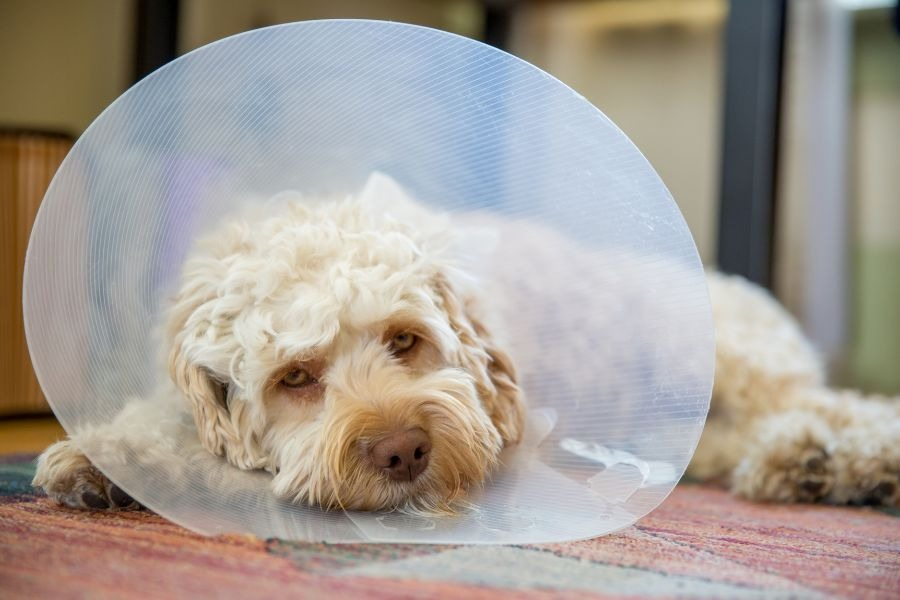
Pets may naturally lick, scratch, or chew an area after surgery. This can interfere with healing, so your veterinarian may recommend a protective collar, recovery garment, or another solution.
Check the surgical area according to your veterinary team’s instructions. Contact them if you notice significant swelling, bleeding, unusual discharge, separation, or another unexpected change.
When Should You Contact Your Veterinarian?
Contact your veterinary team if your pet develops severe weakness, difficulty breathing, significant bleeding, worsening swelling, unusual discharge, severe pain, or other concerning symptoms.
Your veterinarian can tell you which changes are expected after the specific procedure. When something seems unusual, it is better to ask for guidance than to try to diagnose the problem yourself.
Follow-Up Care Matters
Follow-up appointments are an important part of recovery. Your veterinarian can evaluate the surgical site, assess healing, review medications, and determine when your pet can gradually return to normal activities.
Even if your pet appears to be recovering well, keep recommended follow-up appointments unless your veterinary team advises otherwise.
Every Pet Has Different Recovery Needs
A young pet undergoing a routine procedure may have very different recovery needs from an older pet receiving treatment for a complex condition. Age, health, medical history, medications, and procedure type can all influence recovery.
General information can help you understand the process, but your veterinarian’s instructions should always take priority.
Supporting Your Pet Through Surgery
Feeling nervous about your pet’s surgery is completely understandable. The best way to prepare is to ask questions, provide accurate health information, follow pre-surgical instructions, and create a comfortable recovery environment.
For pet parents considering surgery, Archer Veterinary Clinic can help explain the procedure and provide guidance before and after treatment. Clear communication with your veterinary team can make each stage easier to understand and help you support your pet throughout recovery.
Pet surgery may feel overwhelming, but knowing what to expect can make the experience less uncertain. From examination and preparation to anesthesia, surgery, home care, and follow-up, every stage plays an important role in your pet’s care.
Schedule an appointment to discuss your pet’s surgical needs and learn what to expect before, during, and after the procedure.
Frequently Asked Questions
Q1. Why should I choose Archer Veterinary Clinic for my pet’s surgery?
Ans: Archer Veterinary Clinic can guide you through the surgical process, including pre-surgical preparation, procedure-related information, postoperative instructions, and recovery guidance tailored to your pet’s needs.
Q2. How does Archer Veterinary Clinic prepare pets for surgery?
Ans: Archer Veterinary Clinic evaluates each pet individually and may review their medical history, perform a physical examination, discuss appropriate diagnostic testing, and provide specific instructions before the procedure.
Q3. What postoperative support does Archer Veterinary Clinic provide?
Ans: Archer Veterinary Clinic can provide individualized recovery instructions covering medications, activity restrictions, incision care, follow-up visits, and signs that may require veterinary attention.
Q4. How should I prepare my pet before surgery?
Ans: Follow the instructions provided by your veterinary team regarding food, water, medications, activity, and arrival time. Also, provide accurate information about your pet’s health history and current medications.
Q5. How long does recovery take after pet surgery?
Ans: Recovery time varies according to the procedure, your pet’s age, health, and individual healing process. Your veterinarian can provide a more specific recovery timeline based on your pet’s surgery.
Q6. What should I watch for after my pet comes home from surgery?
Ans: Follow your veterinarian’s postoperative instructions and monitor your pet for concerning changes such as significant bleeding, worsening swelling, unusual discharge, severe weakness, difficulty breathing, or other warning signs provided by your veterinary team.
Related Articles
[theme_related]