13731 Archer Ave., Lemont, IL 60439

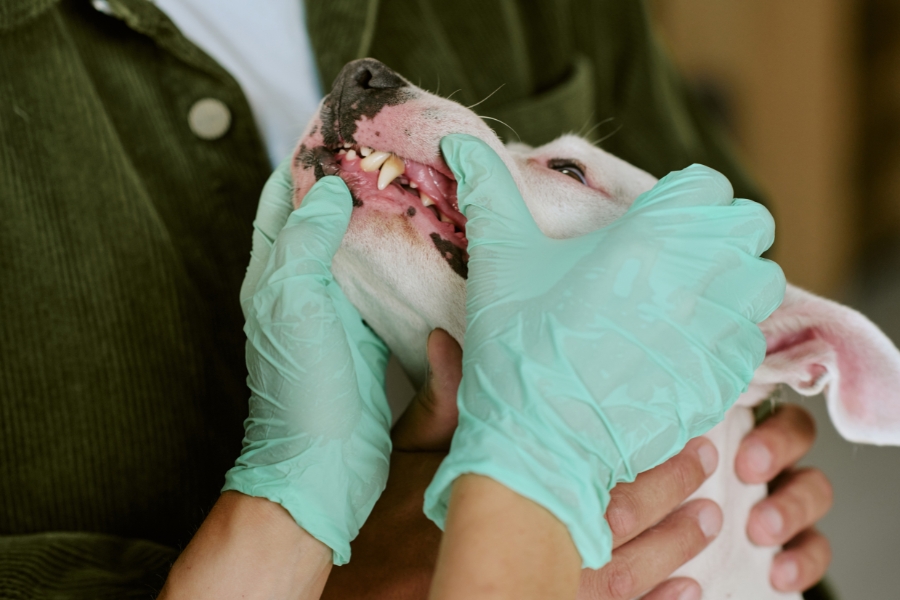
A pet’s eating habits can reveal more than just their food preferences. If your dog starts dropping kibble, takes longer to finish meals, or your cat avoids crunchy treats, these changes may be signs of dental discomfort. Even small differences in the way pets chew can offer important clues about their oral health.
For pet owners in Lemont, IL, recognizing these changes is especially helpful because dogs and cats often hide signs of pain. They may continue eating and playing while quietly adjusting their habits to avoid discomfort, allowing dental problems to go unnoticed.
Understanding why these behaviors occur can help you recognize potential dental concerns early. Proper pet dental care includes knowing what changes to watch for, understanding common dental conditions, and recognizing when your pet may need a veterinary examination.
What Can Your Pet’s Chewing Habits Reveal About Dental Health?
Changes in chewing habits can be an early indication of dental discomfort. A pet that chews on one side, drops food, eats slowly, or avoids certain textures may have a problem involving the teeth, gums, or other oral structures.
One possible cause is periodontal disease, which develops when plaque and bacteria accumulate around the teeth and irritate the gums. As the condition progresses, it can affect the tissues supporting the teeth and make chewing uncomfortable.
Other possible causes include fractured teeth, inflamed gums, loose teeth, and oral injuries. A veterinary examination is needed to determine what is causing the change.
Which Chewing Behaviors Should Pet Owners Watch For?
Not every change in eating behavior indicates dental disease. However, repeated or unusual chewing patterns deserve attention.
Chewing on One Side of the Mouth
If your dog or cat consistently chews on one side, they may be trying to avoid pressure on a sensitive tooth or area of the gums. This behavior can occur with damaged teeth, gum inflammation, or other oral conditions.
Watch whether your pet repeatedly turns their head while eating or seems uncomfortable when chewing on one side.
Dropping Food While Eating
Pets that drop kibble or pieces of food may be having difficulty picking up or chewing their meals. Painful teeth, swollen gums, and other mouth problems can make normal eating movements uncomfortable.
If this happens frequently, particularly when it is a new behavior, consider having your pet’s mouth examined.
Avoiding Hard Food and Chew Toys
A pet that suddenly prefers soft food over crunchy kibble or loses interest in chew toys may be experiencing oral discomfort. Harder textures can put pressure on sensitive teeth and gums.
Some pets may still eat their regular meals but avoid treats or toys that require more chewing. These preferences can be useful clues when monitoring dental health.
Taking Longer to Finish Meals
Eating more slowly, pausing frequently, or walking away from food may indicate that chewing has become uncomfortable. Changes in appetite can have several causes, so it is helpful to observe whether other symptoms are present.
What Dental Problems Can Cause Changes in Chewing?
Several oral health conditions can affect how comfortably pets chew.
- Periodontal disease: Plaque and tartar buildup can inflame the gums and damage the tissues supporting the teeth.
- Fractured teeth: Broken teeth may expose sensitive inner structures and make biting or chewing painful.
- Gingivitis: Inflammation of the gums can cause redness, swelling, and discomfort during eating.
- Loose or damaged teeth: Teeth affected by advanced dental disease or injury may make chewing difficult.
- Oral injuries: Cuts, irritation, or other injuries inside the mouth can interfere with normal eating.
These conditions are not always visible during a quick look at your pet’s mouth. A veterinary dental examination can help identify possible problems and determine whether additional evaluation is needed.
How Can You Support Healthy Chewing and Dental Care at Home?
Regular home care can help control plaque and support healthier teeth and gums. Consider these practical habits:
- Brush your pet’s teeth: Use a pet-friendly toothbrush and toothpaste. Introduce brushing gradually and make it a comfortable routine.
- Choose suitable dental chews: Ask your veterinarian about products that may help reduce plaque without putting excessive pressure on the teeth.
- Avoid very hard objects: Bones, antlers, and hard chew toys can fracture teeth.
- Monitor eating habits: Pay attention to changes in chewing, food preferences, and mealtime behavior.
- Keep up with dental examinations: Professional evaluations can identify concerns that home care may not reveal.
Home care is helpful, but it cannot replace professional cleaning when tartar or dental disease has developed.
When Should You Contact a Veterinarian?
Schedule a veterinary examination if your pet regularly chews on one side, drops food, avoids hard treats, or takes noticeably longer to eat. Persistent bad breath, swollen or bleeding gums, excessive drooling, and pawing at the mouth are also possible warning signs.
A broken tooth, facial swelling, significant bleeding, or difficulty eating warrants prompt veterinary attention. Avoid trying to examine painful areas forcefully or giving human pain medication.
For pet dental care in Lemont, a veterinary team can assess your pet’s teeth and gums, recommend dental X-rays when appropriate, and discuss whether professional cleaning or other treatment may be needed.
Your pet’s chewing habits can reveal more than food preferences. Dropping food, chewing on one side, avoiding crunchy treats, or taking longer to finish meals may be signs of oral discomfort. Paying attention to these changes can help you recognize dental concerns before they interfere further with your pet’s daily routine.
Archer Veterinary Clinic provides dental examinations, digital dental radiography, and professional cleanings for dogs and cats in Lemont and surrounding communities. If your pet’s chewing habits have changed, schedule an appointment to discuss their dental health.
Frequently Asked Questions
Q1. Why does my dog chew food on only one side of its mouth?
Ans: Chewing on one side may indicate discomfort involving a tooth, gum, or other oral structure. A veterinary examination can help identify the cause.
Q2. Can a cat’s chewing habits change because of dental disease?
Ans: Yes. A cat with dental discomfort may chew differently, drop food, prefer softer meals, or show less interest in eating. These changes should be evaluated if they persist.
Q3. Can dental problems cause pets to stop enjoying chew toys?
Ans: Yes. Sensitive teeth, inflamed gums, or damaged teeth may make chewing uncomfortable. A sudden loss of interest in familiar chew toys can be a reason to check your pet’s oral health.
Q4. What dental examination services does Archer Veterinary Clinic provide?
Ans: Archer Veterinary Clinic includes dental evaluations as part of physical examinations. If concerns are found, the veterinary team may recommend additional testing, such as digital dental radiography.
Q5. Does Archer Veterinary Clinic perform professional pet dental cleanings?
Ans: Yes. The clinic provides comprehensive dental cleanings under general anesthesia to address plaque, tartar, and infection, including areas below the gumline.
Q6. What at-home dental care options can Archer Veterinary Clinic recommend?
Ans: The veterinary team can discuss suitable home-care options based on your pet’s needs. These may include pet-friendly toothbrushing, dental chews, treats, rinses, and toys.
Related Articles
[theme_related]