13731 Archer Ave., Lemont, IL 60439

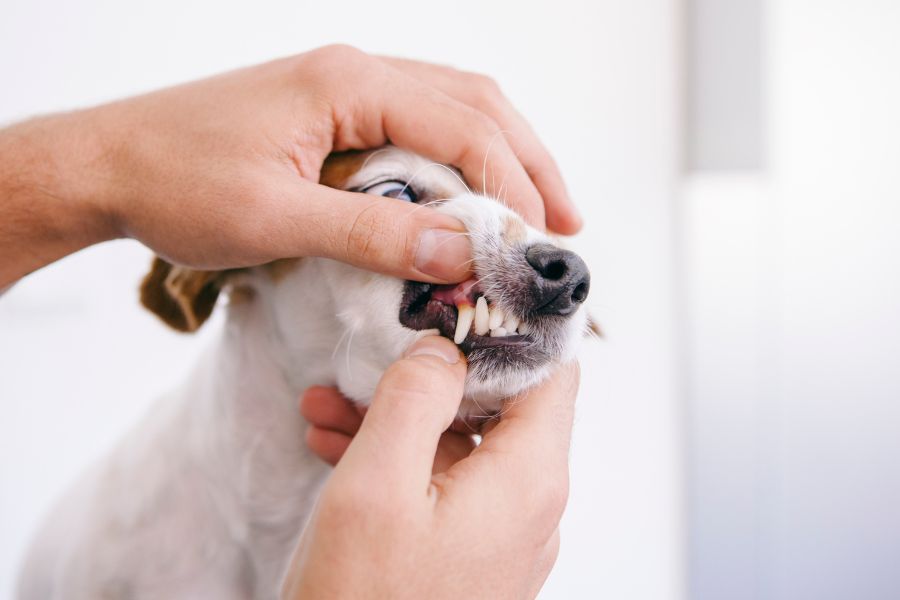
Your pet may have a dental problem without showing obvious signs of discomfort. Dogs and cats often continue eating and behaving normally even when plaque, gum inflammation, damaged teeth, or problems below the gumline are developing. Recognizing subtle changes can help you address oral health concerns before they become more serious.
For pet owners in Lemont, IL, routine veterinary examinations provide an opportunity to check your pet’s teeth and gums as part of their overall health care. Regular assessments can reveal concerns that may not be noticeable during everyday activities at home.
Pet dental care can include routine oral examinations, professional dental treatment when needed, and guidance for maintaining your pet’s teeth at home. Because dental disease can progress gradually, consistent care is an important part of your pet’s long-term health.
What Dental Problems Can Pets Develop?
Pets can experience several types of dental problems. Plaque is one of the most common starting points. When bacteria and food particles accumulate on the teeth, plaque can harden into tartar. Over time, this buildup can contribute to inflammation of the gums and periodontal disease.
Pets may also develop fractured or damaged teeth, loose teeth, oral infections, and other painful conditions. Some problems are difficult to see because they occur beneath the gumline.
That is why a pet appearing comfortable does not always mean their mouth is healthy. A professional veterinary examination can provide a more complete assessment.
What Are the Hidden Signs of Dental Disease?
Dental problems do not always cause dramatic symptoms. Small changes in your pet’s behavior or eating habits may be worth discussing with your veterinarian.
Changes in Eating Habits
A pet with oral discomfort may chew differently, drop food, avoid hard treats, or take longer to finish a meal. Some pets may prefer softer foods or show less interest in eating.
A normal appetite does not completely rule out dental disease. Pets can adapt to discomfort and continue eating despite an underlying problem.
Changes Around the Mouth
Persistent bad breath, red or swollen gums, excessive drooling, pawing at the mouth, or visible tartar can indicate an oral health concern. Facial swelling or a loose or broken tooth may also require prompt veterinary evaluation.
Changes in Behavior
Some pets become less playful, more irritable, or reluctant to have their face touched when they have oral discomfort. These changes can be subtle, particularly in cats.
Why Are Regular Dental Examinations Important?
A veterinary dental examination allows the veterinarian to look for problems that may not be visible during a quick inspection at home. The veterinarian can assess the condition of the teeth and gums and determine whether additional care may be appropriate.
Dental disease can also affect more than the mouth. Chronic oral inflammation and infection can contribute to broader health concerns, which is one reason veterinary teams consider dental health part of comprehensive preventive care.
For ongoing protection, pet owners can combine professional evaluations with appropriate preventive veterinary care and an at-home dental routine.
How Can You Support Your Pet’s Dental Health at Home?
Daily or regular tooth brushing with pet-specific dental products can help reduce plaque buildup. Start gradually and allow your pet time to become comfortable with having their mouth handled.
Use only dental products intended for pets. Human toothpaste is not an appropriate substitute because some ingredients may be harmful if swallowed.
Your veterinarian may also recommend dental treats, diets, or other products depending on your pet’s individual needs. These options should complement—not replace—professional dental evaluations when they are needed.
If significant tartar, gum disease, damaged teeth, or another oral problem is identified, professional pet dental care may be recommended.
When Should You Schedule a Dental Examination?
Schedule a veterinary examination if you notice persistent bad breath, bleeding or swollen gums, difficulty chewing, excessive drooling, facial swelling, loose teeth, or changes in your pet’s eating behavior.
You should also seek veterinary guidance if your pet suddenly seems painful when eating or does not want their mouth or face touched. These changes may have several possible causes and should be properly evaluated rather than assumed to be a dental issue.
Regular dental assessments are also useful even when your pet appears healthy. Your veterinarian can help determine how often your pet should receive oral examinations based on their age, health, and individual risk factors.
Healthy teeth and gums can contribute to your pet’s comfort and overall well-being. Since some dental problems develop gradually or remain hidden below the gumline, regular examinations and appropriate home care can help identify concerns earlier. Archer Veterinary Clinic can help evaluate your pet’s oral health and recommend dental care based on their individual needs.
If your pet is due for a dental examination or you have noticed changes in their mouth or eating habits, schedule an appointment to support their ongoing dental health.
Frequently Asked Questions
Q1. What are the early signs of dental disease in pets?
Ans: Early signs may include bad breath, tartar buildup, red gums, chewing changes, excessive drooling, or reluctance to have the mouth touched. Some pets may show few noticeable symptoms.
Q2. Can my pet have dental disease even if they eat normally?
Ans: Yes. Pets can continue eating despite oral discomfort. A normal appetite does not necessarily mean that the teeth and gums are healthy.
Q3. How can I maintain my pet’s dental health at home?
Ans: Regular brushing with pet-specific toothpaste and a toothbrush can help control plaque. Your veterinarian can also recommend appropriate dental products based on your pet’s needs.
Q4. Does Archer Veterinary Clinic provide pet dental care in Lemont?
Ans: Archer Veterinary Clinic provides veterinary care for pets in the Lemont area and can evaluate oral health concerns and recommend appropriate dental care.
Q5. When should I bring my pet to Archer Veterinary Clinic for a dental evaluation?
Ans: A dental evaluation may be appropriate if your pet has persistent bad breath, tartar, gum changes, difficulty chewing, excessive drooling, or other signs of possible oral discomfort.
Q6. Can Archer Veterinary Clinic recommend a dental care routine for my pet?
Ans: Yes. Your veterinarian can assess your pet’s oral health and recommend an appropriate combination of professional care and at-home dental practices.
Related Articles
[theme_related]