13731 Archer Ave., Lemont, IL 60439


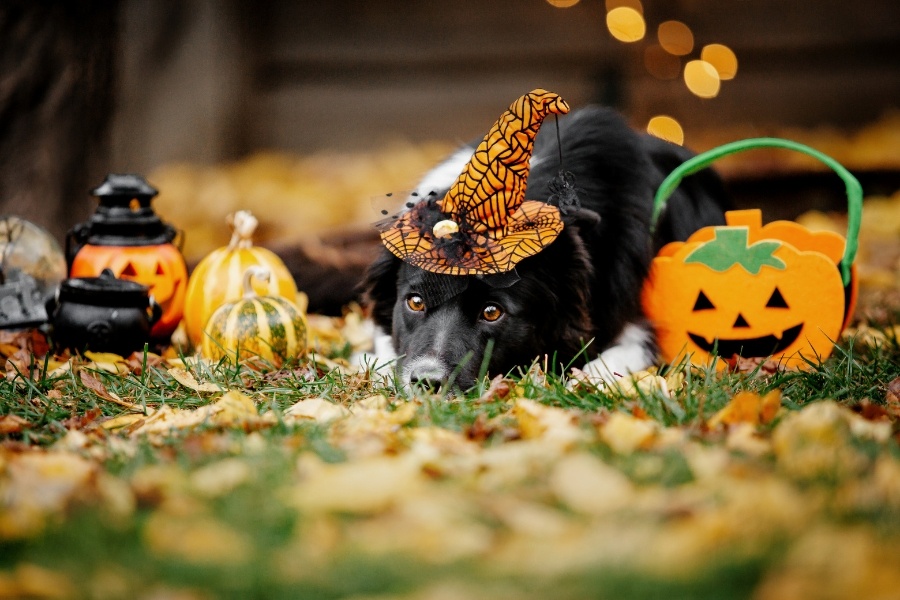
Halloween can bring plenty of excitement to a household, from doorbells ringing and children laughing to loud decorations and visitors in costumes. While these activities may be fun for people, the extra noise can leave dogs and cats feeling uneasy. Some pets become restless or clingy, while others hide or try to escape the sounds around them.
At Archer Veterinary Clinic, helping pets stay healthy and comfortable is an important part of caring for the animals in our community. Understanding how noise affects your pet can help you recognize signs of stress and take steps to make Halloween less overwhelming.
For pet owners in Lemont, IL, preparing ahead of time can make the holiday more comfortable for the whole family. If your pet seems unusually distressed or you are concerned about changes in behavior, a veterinary clinic near you can help you determine whether your pet needs additional support.
Why Halloween Noise Can Stress Pets
Dogs and cats rely on familiar sounds and routines to feel secure. Halloween can disrupt that sense of normalcy with repeated doorbells, knocking, excited voices, music, and sound effects from decorations. Dogs may react to every noise at the front door, while cats may retreat to a quiet hiding place.
Pets also hear sounds differently from people, so noises that seem harmless to us may feel intense to them. A pet that is already nervous around strangers or sudden sounds may find Halloween particularly challenging. Recognizing your pet’s normal behavior is the first step toward identifying when the noise is becoming too much.
5 Signs Your Pet May Be Stressed by Halloween Noise
1. Barking, Whining, or Excessive Meowing
Some pets respond to unfamiliar sounds by vocalizing more than usual. A dog may bark at every knock or passing voice, while a cat may meow repeatedly or make distressed sounds.
Try to reduce your pet’s exposure to the noise instead of scolding them for reacting. Moving them to a quieter room and closing the door can help limit the sounds coming from outside.
2. Hiding or Trying to Escape
Cats may crawl under furniture or retreat to closets, while dogs may hide behind their owners, squeeze into small spaces, or repeatedly head toward an exit. These behaviors can indicate that your pet is trying to find safety.
Let your pet choose a secure hiding place, provided it is safe. Keep doors and windows closed, and make sure your pet wears identification in case they manage to get outside. Never drag a frightened pet out of hiding to meet guests.
3. Pacing, Panting, or Trembling
A stressed dog may pace, shake, pant when it is not hot, or struggle to settle down. Cats may crouch low, remain unusually alert, or move repeatedly between hiding spots.
Give your pet room to settle and avoid adding more stimulation. However, panting, trembling, or restlessness can also have medical causes. If these signs are severe, persistent, or unusual for your pet, contact your veterinarian rather than assuming noise is the only reason.
4. Changes in Body Language
Pets often show discomfort before their behavior becomes more obvious. A dog may tuck its tail, flatten its ears, lick its lips repeatedly, or turn away from people. A cat may pin its ears back, swish its tail, crouch, or widen its eyes.
Watch for these signals, especially when visitors approach. Give your pet space and let them decide whether to interact. Forcing contact or allowing guests to crowd a nervous animal may increase its fear.
5. Changes in Appetite or Everyday Habits
Stress may cause a pet to ignore food, lose interest in play, become unusually clingy, or have accidents indoors. Some pets may also seem withdrawn after the noise has stopped.
A short-lived change may improve once the household becomes quiet again. If your pet continues behaving differently or develops other symptoms, such as vomiting, diarrhea, or unusual tiredness, seek veterinary advice.
Helpful Ways to Reduce Halloween Noise Stress
You cannot control every sound on Halloween, but you can make your home feel safer for your pet.
- Prepare a quiet room: Choose a space away from the front door and busy areas. Add familiar bedding, water, and favorite toys.
- Use gentle background sound: Soft music or a fan may help mask sudden noises, as long as your pet finds it comfortable.
- Keep routines familiar: Stick to normal meal times, walks, and rest periods where possible.
- Limit door access: Repeatedly opening the front door creates an escape risk. Keep pets in a secure area while trick-or-treaters arrive.
- Give guests clear instructions: Ask visitors not to chase, crowd, or touch your pet without permission.
- Avoid forced costumes or interactions: If clothing, decorations, or visitors make your pet uncomfortable, give them a break from the activity.
- Stay calm: Use a gentle voice and offer reassurance when your pet seeks it. Never punish fearful behavior.
If your pet becomes anxious around loud noises every year, talk with your veterinarian before Halloween. They can help you explore appropriate ways to manage the fear and determine whether further evaluation is needed.
When Should You Contact a Veterinarian?
Contact your veterinary team if your pet’s distress is intense, continues after the noise ends, or interferes with eating, resting, or normal activities. Sudden behavior changes may have causes beyond stress.
Seek urgent veterinary guidance if your pet has difficulty breathing, collapses, experiences a seizure, or gets injured while trying to escape. These signs should not be treated as ordinary Halloween anxiety.
Help Your Pet Have a Calmer Halloween
A little preparation can make a meaningful difference for pets that struggle with Halloween noise. By creating a quiet retreat, watching for signs of fear, and keeping your pet safely away from the busiest activity, you can help them feel more secure.
If your pet has difficulty coping with loud sounds or shows concerning changes in behavior, schedule an appointment to discuss your concerns and explore ways to support your pet’s comfort and well-being.
Frequently Asked Questions
Q1. Are Halloween sound effects stressful for dogs and cats?
Ans: They can be. Sudden or unfamiliar sounds from decorations, music, and visitors may frighten some pets. Turn down loud effects and give your pet access to a quiet space.
Q2. Should I let my pet hide during Halloween?
Ans: Yes, if the hiding place is safe. Hiding can help pets feel more secure when they are overwhelmed. Avoid forcing them to come out or interact with guests.
Q3. Can noise stress affect a pet after Halloween?
Ans: Yes. Some pets may remain unsettled for a while after a noisy event. If unusual behavior persists or you notice additional symptoms, contact your veterinarian.
Q4. How can Archer Veterinary Clinic help with noise-related stress?
Ans: Your veterinary team can discuss your pet’s behavior, help assess possible causes, and recommend appropriate ways to manage noise-related anxiety based on your pet’s needs.
Q5. Should I comfort my dog when fireworks or loud Halloween sounds frighten them?
Ans: You can stay nearby, speak calmly, and offer a safe place to rest. Let your dog choose whether to seek physical contact, and avoid forcing them to face the sound.
Q6. How early should I prepare my pet for Halloween noise?
Ans: Prepare a quiet area before visitors begin arriving. If your pet has a history of severe noise anxiety, discuss a plan with your veterinarian ahead of the holiday rather than waiting until your pet becomes distressed.
Related Articles
[theme_related]