13731 Archer Ave., Lemont, IL 60439

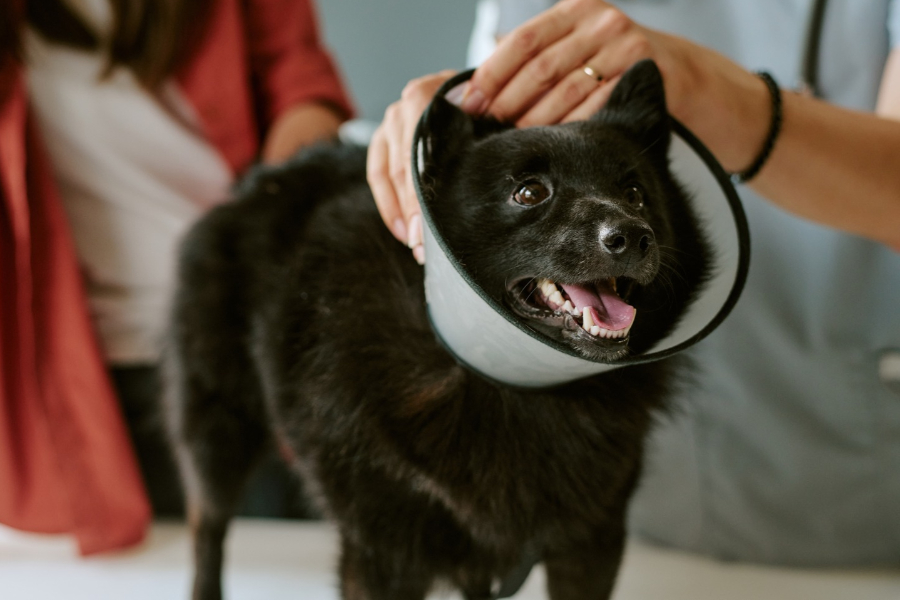
Learning that your pet needs surgery can bring several questions, especially when they already have a medical condition. You may wonder whether anesthesia is safe, whether existing medications need to change, or if the procedure should be postponed until your pet’s health improves.
For pet owners in Lemont, IL, understanding these considerations can make surgical decisions less overwhelming. Conditions such as diabetes, heart disease, kidney problems, and hormonal disorders may affect how a veterinarian prepares a pet for an operation.
When planning pet surgery, the veterinary team considers more than the procedure itself. Your pet’s medical history, current symptoms, test results, and overall stability help determine the safest approach to anesthesia, surgery, and recovery.
How Does an Existing Health Condition Change Surgical Planning?
An existing health condition does not automatically prevent a pet from having surgery. However, it may require additional testing, medication adjustments, or closer monitoring before and after the procedure.
The veterinarian first evaluates whether the condition is stable and how it could affect the pet’s response to anesthesia. The urgency of the procedure also matters. A planned operation may sometimes be postponed to improve a pet’s health, while an urgent procedure may need to move forward with additional precautions.
The goal is to understand the potential risks and create an individualized surgical plan.
What Health Conditions Require Extra Attention Before Surgery?
Certain chronic conditions can affect anesthesia, medication choices, and post-operative care.
Heart and Respiratory Conditions
Heart disease may affect circulation and the body’s ability to respond to changes during anesthesia. Respiratory conditions can also influence breathing and oxygen levels. Depending on the pet’s history and symptoms, the veterinarian may recommend additional heart or lung evaluations.
Diabetes and Hormonal Disorders
Diabetes can make surgical planning more complex because fasting and changes in routine may affect blood sugar levels. Other hormonal conditions, such as Cushing’s disease or hypothyroidism, may also influence how the body responds to stress and medication.
The veterinary team may develop specific instructions for food, insulin, and other medications around the procedure.
Kidney and Liver Disease
The kidneys and liver help process medications and maintain important body functions. If either organ is affected, the veterinarian may need to review blood test results carefully and select medications accordingly.
Arthritis and Mobility Problems
Joint pain may not directly prevent surgery, but it can affect positioning, movement, and recovery. A pet with arthritis may need additional support when standing, walking, or getting comfortable after the procedure.
What Tests May Be Needed Before Surgery?
Pre-operative testing helps identify health concerns that may not be obvious during a physical examination. The recommended tests depend on your pet’s age, medical history, existing condition, and planned procedure.
Common assessments include:
- Physical examination: Checks overall health and looks for changes that could affect surgical readiness.
- Bloodwork: Evaluates blood cell levels and organ function, including information about the kidneys and liver.
- Urinalysis: May provide additional information about kidney function and urinary health.
- Heart evaluations: An ECG or other cardiac testing may be recommended when a pet has a known or suspected heart condition.
- Imaging: X-rays or ultrasound may help investigate specific health concerns.
These results help the veterinarian assess potential risks and decide whether the original surgical plan needs adjustments.
How Are Anesthesia and Medication Plans Adjusted?
Anesthesia is selected according to the individual pet rather than using the same approach for every patient. A chronic condition may influence which medications are appropriate, how they are administered, and what monitoring is needed.
The veterinary team may also review regular medications and determine whether any changes are necessary before surgery. Owners should never stop, skip, or adjust prescribed medication without specific veterinary instructions.
During surgery, monitoring helps the team observe changes in vital signs and respond when needed. Afterward, the pet may require additional observation while recovering from anesthesia.
How Can You Help Your Pet Prepare for Surgery?
Sharing complete and accurate health information is one of the most helpful things you can do. Before the procedure:
- Provide a list of all medications and supplements.
- Mention recent changes in appetite, thirst, breathing, energy, or behavior.
- Share previous test results and medical records when available.
- Follow instructions about fasting, medication, and transportation.
- Ask what recovery restrictions or additional monitoring may be needed.
After surgery, follow the discharge instructions, give medications as prescribed, and watch for unusual changes. Keeping follow-up appointments also helps the veterinary team assess healing and manage any ongoing health concerns.
When Should You Contact a Veterinarian?
Tell your veterinarian if your pet develops new symptoms before a scheduled procedure. Increased coughing, unusual fatigue, vomiting, appetite changes, or changes in thirst and urination may affect surgical readiness.
After surgery, breathing difficulty, collapse, severe bleeding, or pale or bluish gums require immediate emergency veterinary attention. Persistent vomiting, worsening weakness, significant discomfort, or changes around the incision should also be discussed with a veterinarian promptly.
Surgical planning requires extra attention when a pet has an ongoing health condition. Archer Veterinary Clinic offers surgical care supported by diagnostic services, pre-surgical bloodwork, and pain management. Reviewing your pet’s medical history and identifying potential concerns can help the veterinary team develop an appropriate plan for the procedure and recovery.
If your pet needs surgery and has an existing medical condition, schedule an appointment to discuss your pet’s health, surgical needs, and available care options.
Frequently Asked Questions
Q1. Can a pet with a chronic illness safely undergo surgery?
Ans: Many pets with chronic conditions can have surgery, depending on the illness, its severity, and how well it is managed. A veterinary assessment helps determine the appropriate precautions.
Q2. Does a pet need bloodwork before surgery if they already have a medical condition?
Ans: Bloodwork is often recommended because it provides information about organ function and other health indicators. The veterinarian may recommend additional testing based on the pet’s condition.
Q3. Should my pet stop taking regular medication before surgery?
Ans: Not necessarily. Some medications may need to continue, while others may require adjustments. Follow the specific instructions provided by your veterinary team.
Q4. Does Archer Veterinary Clinic perform pre-surgical bloodwork?
Ans: Yes. Archer Veterinary Clinic performs pre-surgical bloodwork to help evaluate a pet’s health and determine an appropriate anesthetic protocol.
Q5. What surgical procedures does Archer Veterinary Clinic offer?
Ans: The clinic offers several procedures, including soft-tissue, orthopedic, oral, ocular, and oncologic surgery. The recommended procedure depends on the pet’s condition and treatment needs.
Q6. Does Archer Veterinary Clinic provide pain management during surgery?
Ans: Yes. The clinic’s veterinary team monitors and manages pain during surgical procedures and provides care before and after surgery to help maintain patient comfort.
Related Articles
[theme_related]